
Unsolved Murders 1970s: 7 Chilling Cold Cases That Defy Explanation
The 1970s marked a turbulent decade in American history, defined by social upheaval, cultural revolution, and unfortunately, some of the most perplexing criminal cases ever recorded. Among the era’s darkest chapters are the unsolved murders 1970s that continue to baffle investigators and captivate true crime enthusiasts decades later.
These cold cases represent more than just statistical anomalies in police files. They embody the fears and uncertainties of an era when traditional investigative methods met their match against cunning perpetrators who vanished without a trace. From coast to coast, families were shattered, communities terrorized, and law enforcement agencies left grappling with mysteries that seemed impossible to solve. The unsolved murders 1970s created a climate of fear that forever changed how Americans viewed personal safety.
The Decade That Changed Criminal Investigation Forever
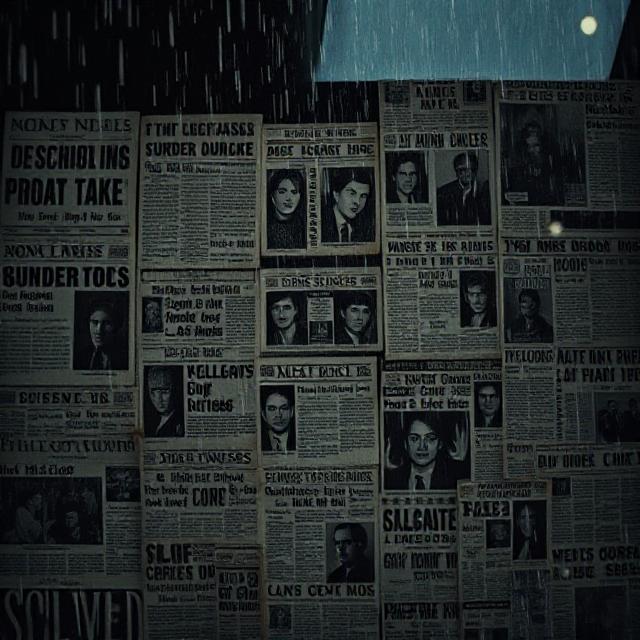
The 1970s witnessed significant changes in both criminal methodology and investigative techniques. Serial killers emerged as a recognized phenomenon, while forensic science was still in its relative infancy. DNA analysis wouldn’t become available until the 1980s, leaving investigators to rely on witness testimonies, fingerprints, and traditional detective work.
This technological gap created the perfect storm for crimes that would remain unsolved for decades. Many of the unsolved murders 1970s cases occurred during this critical transition period, when criminals had learned to avoid traditional evidence while investigators lacked modern forensic tools. The era’s most notorious unsolved murders 1970swould become textbook examples of how killers could exploit these investigative limitations.
The social climate of the decade also contributed to the complexity of these cases. The counterculture movement, increased mobility, and changing social norms made it easier for perpetrators to blend into society or disappear entirely. Hitchhiking was common, strangers were more readily trusted, and communication between law enforcement agencies remained limited.
Case 1: The Oakland County Child Killer
Between 1976 and 1977, the Detroit metropolitan area was gripped by terror as four children were abducted and murdered in what became known as the Oakland County Child Killer case. The victims—Mark Stebbins, Jill Robinson, Kristine Mihelich, and Timothy King—were taken from public places, held for days, then their bodies discovered in different locations.
The Horrifying Pattern
Each victim showed signs of being well-cared for during captivity, with clean clothes and evidence of recent meals. This chilling detail suggested a methodical killer who took time with his victims, making the crimes even more disturbing to investigators and the public.
The killer’s ability to evade capture despite massive manhunts and public attention demonstrated a level of sophistication that troubled law enforcement. Witness descriptions varied, composite sketches yielded no solid leads, and physical evidence remained frustratingly minimal.
Investigation Challenges
The Oakland County Sheriff’s Department launched one of the largest investigations in Michigan history, interviewing thousands of suspects and following countless leads. Despite offering substantial rewards and receiving tips from across the nation, the case remained unsolved.
Recent developments have renewed interest in the case, with advanced DNA testing and genealogical research providing new avenues for investigation. However, the passage of time has made witness testimony unreliable and destroyed much potential evidence. This case remains one of the most haunting examples of unsolved murders 1970s that continue to demand justice.

Case 2: The Tylenol Murders Connection - The Chicago Rippers Prelude
While the infamous Tylenol murders occurred in 1982, their roots trace back to violent crimes in Chicago during the late 1970s that may have served as a testing ground for product tampering. Several unsolved poisoning cases from 1978-1979 shared similar characteristics with the later Tylenol killings.
The connection between these earlier unsolved murders 1970s cases and the Tylenol murders remains speculative but concerning. Three victims in the Chicago area died from unexplained poisoning after consuming over-the-counter medications, but these cases received little media attention compared to their 1980s counterpart. These forgotten unsolved murders 1970s may represent the earliest attempts at product tampering that would later terrorize the nation.
Case 3: The Keddie Cabin Murders
On April 11, 1981, the Keddie Resort in California became the scene of one of the most brutal unsolved murders in American history. While technically occurring in 1981, the investigation’s roots and several connected disappearances trace back to events in 1979, making it relevant to unsolved murders 1970s discussion.
The Gruesome Discovery
Sue Sharp and three of her children were staying in cabin 28 when intruders broke in during the night. Sue Sharp, her son John, and his friend Dana Wingate were found murdered the next morning. Sue’s daughter Tina was missing and her remains weren’t discovered until three years later.
The brutality of the murders shocked even seasoned investigators. The victims had been beaten with hammers and stabbed multiple times. The killer or killers showed a level of rage that suggested personal motivation rather than random violence.
Decades of Dead Ends
Despite numerous suspects and theories, the Keddie murders remain unsolved. The case has been reopened multiple times, with investigators pursuing leads ranging from local drug dealers to organized crime connections. Recent developments in 2016 brought renewed hope when the Plumas County Sheriff’s Department announced they were close to solving the case, but no arrests have been made.

Case 4: The Atlanta Child Murders Precursor Cases
Before the Atlanta Child Murders gained national attention in 1980-1981, several children disappeared or were found murdered in the Atlanta area during 1978-1979. These earlier cases share similarities with the later, more publicized murders but have received less attention from investigators and media.
The Forgotten Victims
At least four children who disappeared or were murdered in Atlanta during the late 1970s fit the pattern later associated with Wayne Williams’ crimes. However, these earlier victims were not officially connected to the Atlanta Child Murders task force investigation.
The cases highlight how unsolved murders 1970s sometimes become overshadowed by later, more publicized crimes. Families of these earlier victims continue to seek justice and answers, believing their loved ones’ cases were inadequately investigated due to the focus on the 1980s murders.
Case 5: The Hillside Strangler's Early Crimes
Kenneth Bianchi and Angelo Buono, known as the Hillside Stranglers, were ultimately convicted for murders committed in 1977-1978. However, several earlier murders in Los Angeles during 1975-1976 share their methodology but remain officially unsolved.
The Pattern Emerges
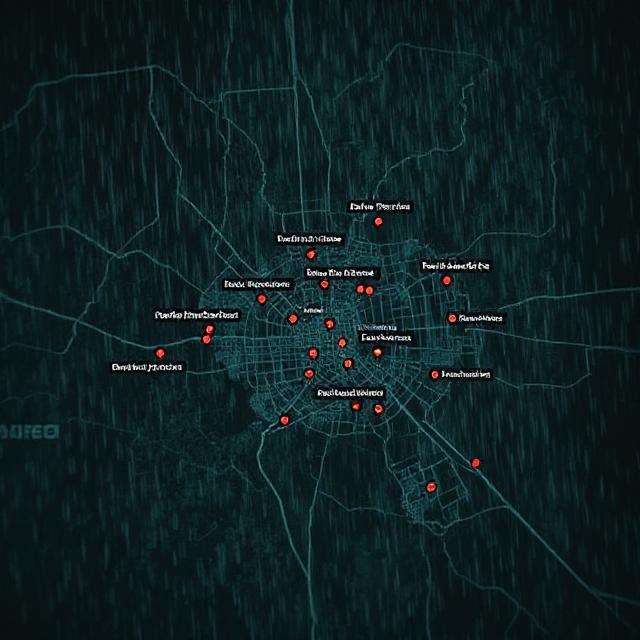
Three young women were found strangled and dumped on hillsides in the Los Angeles area between 1975 and early 1977, before the recognized Hillside Strangler murders began. The victims showed signs of sexual assault and restraint, consistent with the later crimes attributed to Bianchi and Buono.
Police have never definitively connected these earlier murders to the Hillside Stranglers, leaving them among the unsolved murders 1970s that may have been practice runs for more organized serial killing sprees. The geographical and methodological similarities suggest a connection, but legal standards of proof have prevented official linkage.
Case 6: The Doodler Serial Killer
San Francisco’s gay community was terrorized between 1974 and 1975 by a serial killer known as “The Doodler,” who targeted men at gay bars and clubs. The killer earned his nickname from witnesses who reported seeing him sketch his victims before approaching them.
A Community Under Siege
The Doodler murdered at least five men and attacked at least three others who survived. His victims were typically approached at gay establishments, lured away, then stabbed to death. The killer showed knowledge of his victims’ routines and the gay community’s social patterns.
The case was complicated by the reluctance of potential witnesses to come forward due to the stigma surrounding homosexuality in the 1970s. Several men who survived attacks or witnessed suspicious behavior were unwilling to cooperate with police, hampering the investigation significantly.
Investigation Obstacles
The San Francisco Police Department faced unique challenges investigating these unsolved murders 1970s cases within the gay community. Social attitudes of the era created barriers between law enforcement and potential witnesses, while the killer demonstrated understanding of these dynamics.
Recent efforts to solve the case have included DNA analysis and renewed outreach to the LGBTQ+ community. In 2018, police announced they had identified a suspect, but insufficient evidence prevented prosecution. The Doodler case exemplifies how unsolved murders 1970s were complicated by social barriers that hampered investigations.
Case 7: The Colonial Parkway Murders Prelude
While the Colonial Parkway Murders series began in 1986, several similar double murders occurred in Virginia during 1978-1979 that may be connected. These earlier crimes established a pattern of couples being targeted in remote areas, then murdered execution-style.
The Early Pattern
Two couples were found murdered in their vehicles along Virginia highways in 1978 and 1979. Both cases involved young couples parked in secluded areas who were shot by an unknown assailant. The crime scenes showed evidence of the killer approaching the vehicles and executing the victims without apparent robbery motive.
The similarities to the later Colonial Parkway Murders are striking, suggesting a killer who may have been active much earlier than previously recognized. These unsolved murders 1970s cases could represent the beginning of a serial killer’s career that continued into the 1980s. Law enforcement agencies now recognize these early unsolved murders 1970s as potentially linked to later, more publicized crimes.
The Lasting Impact of Unsolved Cases
The unsolved murders 1970s continue to influence modern criminal investigation techniques and victim advocacy efforts. Families of victims have pushed for legislative changes, improved evidence preservation, and better communication between law enforcement agencies.
Advances in Cold Case Investigation
Modern DNA technology has brought new hope to many 1970s cold cases. Genetic genealogy, in particular, has solved several cases that seemed impossible to crack using traditional methods. The Golden State Killer’s identification in 2018 using this technique has inspired renewed efforts on other decades-old cases.
However, the passage of time presents unique challenges. Physical evidence may have been lost or degraded, witnesses have died or their memories have faded, and original investigators have retired. Each passing year makes these cases more difficult to solve. The unsolved murders 1970s serve as cautionary tales about the importance of evidence preservation and timely investigation.
The Psychological Toll
The impact of unsolved murders extends far beyond the immediate victims and their families. Communities affected by these crimes often experience lasting trauma, with residents reporting changes in behavior and increased anxiety decades later.
The failure to solve these cases also affects law enforcement morale and public trust in the justice system. Detectives who worked these cases often carry the weight of the unsolved murders throughout their careers, with many continuing to pursue leads even after retirement. For many investigators, the unsolved murders 1970s represent the cases that got away, driving them to continue searching for answers decades later.
Modern Technology Meets Cold Cases
Recent advances in forensic science have breathed new life into investigations of unsolved murders 1970s. DNA phenotyping can now predict physical characteristics of unknown suspects, while improved databases allow for comparisons across jurisdictions that were impossible in the 1970s.
Genetic Genealogy Breakthroughs
The use of genetic genealogy to solve cold cases has revolutionized investigations of decades-old murders. By uploading DNA profiles to public genealogy databases, investigators can identify potential relatives of suspects and build family trees that lead to identification.
Several 1970s murder cases have been solved using this technique, providing closure to families who had waited decades for answers. The success of genetic genealogy has led to increased funding for cold case units and renewed public interest in these unsolved crimes. Some of the most notorious unsolved murders 1970s have finally seen breakthroughs thanks to these technological advances.
Challenges and Limitations
Despite technological advances, many obstacles remain in solving unsolved murders 1970s. Evidence from the 1970s may not meet modern DNA testing standards, and privacy concerns have led to restrictions on genetic genealogy database access.
Additionally, some cases lack sufficient physical evidence for modern testing, regardless of technological capabilities. These crimes may remain forever unsolved unless new witnesses come forward or previously unknown evidence is discovered. The most challenging unsolved murders 1970s continue to resist even the most advanced investigative techniques available today.
The Role of Media and Public Interest
True crime media has played a significant role in keeping unsolved murders 1970s in the public consciousness. Podcasts, documentaries, and books about cold cases have generated new tips and renewed investigative efforts in several cases.
The increased attention has both positive and negative effects. While media coverage can generate valuable tips and pressure law enforcement to dedicate resources to cold cases, it can also spread misinformation and interfere with ongoing investigations. Documentary series and podcasts about unsolved murders 1970s have become increasingly popular, bringing both benefits and challenges to active investigations.
Theories and Speculation
The enduring mystery of these unsolved murders 1970s has generated countless theories among both professional investigators and amateur sleuths. Some cases are believed to be the work of serial killers who were never caught, while others may have been committed by individuals who died before being identified.
The Serial Killer Theory
Many experts believe that several of the unsolved murders from the 1970s were committed by serial killers who either died, were imprisoned for other crimes, or successfully evaded capture. The decade marked the emergence of serial killing as a recognized phenomenon, and many cases from this era fit established patterns.
The mobility of American society in the 1970s allowed killers to operate across jurisdictions, making it difficult for law enforcement agencies to recognize patterns or coordinate investigations. Interstate communication was limited, and many connections between cases weren’t discovered until years later. This jurisdictional fragmentation contributed significantly to why many unsolved murders 1970s remain unsolved today.
The Organized Crime Connection
Some investigators theorize that certain unsolved murders 1970s may have been connected to organized crime activity. The decade saw significant changes in organized crime structures, with traditional families facing pressure from law enforcement and competition from emerging criminal organizations.
Victims who appeared to have no connection to criminal activity may have been mistaken targets, witnesses to criminal activity, or involved in illegal enterprises unknown to family and friends. The organized crime theory helps explain some of the more puzzling unsolved murders 1970s where victims seemed to be randomly selected.
Legislative and Procedural Changes
The frustration surrounding unsolved murders 1970s has led to significant changes in how law enforcement agencies handle homicide investigations. Evidence preservation requirements have been strengthened, and many jurisdictions have established dedicated cold case units.
Improved Evidence Preservation
Modern evidence storage standards require long-term preservation of biological evidence from homicide cases. This change was partly motivated by the realization that future technological advances might be able to solve cases that seem impossible today.
DNA databases have also expanded significantly since the 1970s, increasing the chances that evidence from old cases will match profiles entered into the system. The Combined DNA Index System (CODIS) has facilitated comparisons between cases across the United States. These technological improvements offer new hope for solving unsolved murders 1970sthat seemed impossible to crack using traditional methods.
Enhanced Communication
Law enforcement agencies now have better systems for sharing information about similar crimes across jurisdictions. The FBI’s ViCAP (Violent Criminal Apprehension Program) database allows investigators to identify patterns that might span multiple states and decades.
Q&A: Common Questions About 1970s Unsolved Murders
Q: Why were so many murders from the 1970s never solved?
A: The 1970s represented a perfect storm of factors that made murder investigations particularly challenging. Limited forensic technology, poor communication between law enforcement agencies, and the emergence of more sophisticated serial killers all contributed to lower solve rates. DNA analysis wasn’t available, fingerprint databases were limited, and many investigative techniques taken for granted today simply didn’t exist. The unsolved murders 1970s reflect the limitations of that era’s investigative capabilities.
Q: Are any of these 1970s cold cases still being actively investigated?
A: Yes, many law enforcement agencies continue to work on cold cases from the 1970s. Advances in DNA technology, genetic genealogy, and digital databases have provided new tools for investigating these crimes. Several cases have been solved in recent years using these modern techniques, providing hope for other unsolved murders from the decade. Cold case units across the country maintain active files on unsolved murders 1970s and regularly review them for new leads.
Q: How has the investigation of unsolved murders changed since the 1970s?
A: Modern murder investigations benefit from significant technological advances including DNA analysis, improved fingerprint databases, cell phone tracking, surveillance cameras, and genetic genealogy. Communication between agencies has also improved dramatically, making it easier to identify patterns across jurisdictions.
Q: What can the public do to help solve these cold cases?
A: The public can help by providing any information they might have about these cases, even if it seems insignificant. Many cold cases have been solved based on tips from people who remembered details years later. Additionally, supporting funding for cold case units and DNA testing can help law enforcement agencies dedicate resources to these investigations. Public interest in unsolved murders 1970s has led to renewed attention and resources being allocated to these forgotten cases.
The Ongoing Search for Justice
The unsolved murders 1970s represent more than just statistical failures in the criminal justice system. They embody the hopes and fears of an era, the limitations of investigative technology, and the enduring human desire for justice and closure.
Each case tells a story not just of the victims and their families, but of the communities they lived in and the society that failed to protect them. The fact that these murders remain unsolved decades later speaks to their complexity and the challenges faced by investigators working with limited resources and technology.
As forensic science continues to advance and new investigative techniques emerge, there remains hope that these cold cases will eventually be solved. Genetic genealogy has already provided breakthroughs in several decades-old murders, and other technological advances may hold the key to solving the remaining mysteries.
The families of victims from these unsolved murders 1970s continue to seek answers, justice, and closure. Their persistence in keeping these cases in the public eye has been instrumental in ensuring that law enforcement agencies don’t forget about these crimes, even as newer cases demand attention and resources.
The legacy of these unsolved murders extends beyond the individual cases themselves. They have influenced changes in evidence preservation, investigative procedures, and victim advocacy efforts that benefit all murder investigations. The lessons learned from these failures have made the criminal justice system more effective at solving crimes and providing justice for victims and their families. Modern investigators study unsolved murders 1970s to understand what went wrong and how to avoid similar failures today.
A Call for Continued Vigilance
The mystery surrounding these unsolved murders 1970s serves as a reminder that justice delayed is not necessarily justice denied. As long as evidence exists and investigators are willing to pursue leads, there remains hope that these cases can be solved.
The advancement of forensic technology continues to provide new opportunities to examine old evidence with fresh eyes and more sophisticated techniques. What seemed impossible to solve in the 1970s may be routine investigative work today, and what seems impossible today may be routine tomorrow.
For those fascinated by these cold cases, the best way to honor the victims and their families is to keep their stories alive and support efforts to solve these crimes. Whether through advocacy for cold case units, support for forensic technology advancement, or simply maintaining public awareness of these unsolved murders, everyone can play a role in the ongoing search for justice. Amateur investigators and true crime enthusiasts have contributed valuable insights to unsolved murders 1970s investigations through online research and community involvement.
The unsolved murders 1970s may have occurred decades ago, but their impact continues to resonate today. They remind us that some mysteries endure, some questions remain unanswered, and some families continue to wait for the closure that only justice can provide. Until these cases are solved, they will remain a haunting reminder of the decade’s darkest secrets and the crimes that time has yet to solve.
What theories do you have about these unsolved murders from the 1970s? Have you heard of any additional cases from this era that continue to baffle investigators? Share your thoughts and theories in the comments below – your insight might be the key to finally solving one of these decades-old mysteries.
Internal Links:
want more stories!
- https://crypticconfessions.com/mary-vincent-true-crime-survival-story/
- https://crypticconfessions.com/5-unsolved-disappearances-baffle-police-2025/
External Links: