
Sacramento Boarding House Murders: 9 Shocking Bodies Found
The discovery of seven decomposing bodies in a Sacramento backyard on November 11, 1988, exposed one of California’s most horrifying serial killing sprees. The Sacramento boarding house murders revealed how a seemingly kind grandmother figure systematically preyed on society’s most vulnerable residents for nearly a decade.
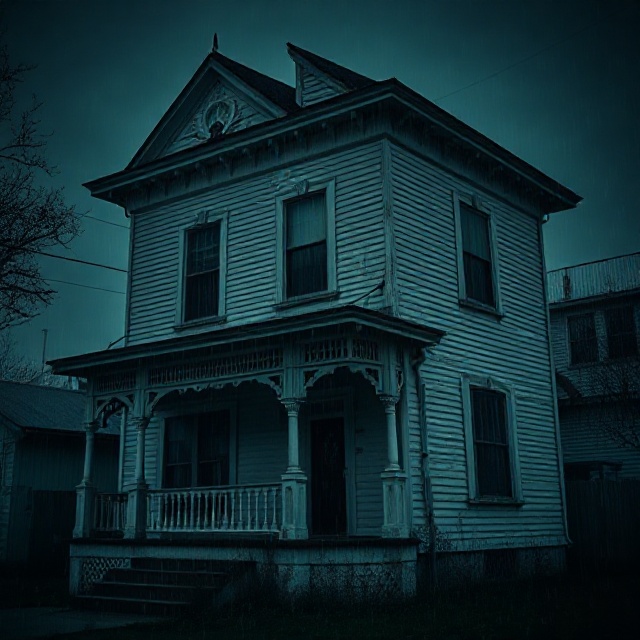
Dorothea Puente ran a boarding house at 1426 F Street in Sacramento throughout the 1980s, where she murdered elderly and mentally disabled tenants before stealing their Social Security checks. The Sacramento boarding house murders targeted victims—people society often overlooked—who disappeared without raising alarms for years.
This gentle-looking landlady with her vintage dresses and grandmotherly demeanor fooled social workers, parole officers, and an entire community. Behind the facade lurked a calculating predator who would become known as the “Death House Landlady.”
The Making of a Monster: Dorothea Puente’s Dark Past
Early Life and Trauma
Born Dorothea Helen Gray on January 9, 1929, in Redlands, California, Puente experienced severe childhood trauma with alcoholic parents. Her father threatened suicide in front of his children, holding a gun to his head. He died of tuberculosis when Dorothea was eight years old.
Her mother worked as a sex worker and lost custody of her children in 1938, dying in a motorcycle accident that same year. This devastating childhood left Dorothea orphaned before age ten, setting the stage for a lifetime of deception and crime.
Pattern of Criminal Behavior
Dorothea’s criminal history began long before the Sacramento boarding house murders came to light. She cycled through multiple marriages, each ending in disaster. Her second husband had her institutionalized for psychiatric issues. Her third marriage to Roberto Puente lasted only sixteen months but gave her the surname she’d use throughout the Sacramento boarding house murders.
In 1978, Puente was arrested for forging tenants’ signatures on benefit checks and received five years’ probation. The court specifically prohibited her from running boarding houses—a restriction she would fatally ignore.
In 1982, she was convicted of drugging and robbing clients and a man she met in a bar, receiving a five-year prison sentence. During her incarceration, she began corresponding with 77-year-old Everson Gillmouth, setting up her first known murder.
The Sacramento Boarding House: A Perfect Hunting Ground
Creating the Grandmother Facade
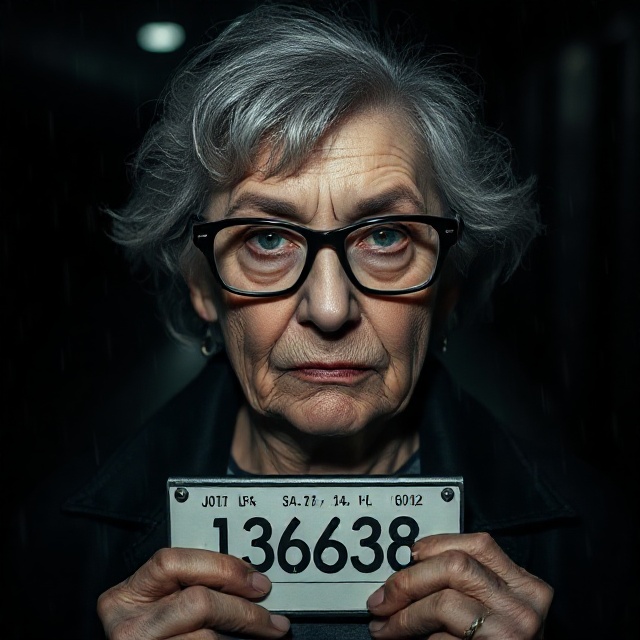
Puente deliberately crafted her image as a respectable older woman by wearing vintage clothing, large glasses, and allowing her hair to gray naturally. This calculated transformation helped her gain trust from both authorities and vulnerable victims who would fall prey to the Sacramento boarding house murders.
The boarding house at 1426 F Street became her killing field. She hosted Alcoholics Anonymous meetings and helped people sign up for Social Security benefits, establishing herself as a community resource before committing the Sacramento boarding house murders. Social workers regularly placed their most challenging clients with her, believing they’d found a caring solution.
The Shadow People
Puente specifically targeted what investigators called “shadow people”—elderly individuals, alcoholics, and those with mental disabilities who existed at society’s margins. These victims of the Sacramento boarding house murders had minimal family connections and often went unnoticed when they disappeared.
Her house became a last resort for those nobody else would take. The very vulnerability that brought them to her door made them perfect victims for the Sacramento boarding house murders. The isolation of these individuals enabled the Sacramento boarding house murders to continue undetected for years.
The Killing Method: A Calculated System
Drugging and Suffocation
The Sacramento boarding house murders followed a horrifying pattern. Prosecutors revealed that Puente used sleeping pills to drug her victims before suffocating them. Dalmane, a prescription insomnia medication, was found in all seven bodies exhumed from the Sacramento boarding house murders crime scene. Between 1985 and 1988, she obtained dozens of prescriptions for this sedative.
The victims of the Sacramento boarding house murders died with various drugs in their systems including anticonvulsants, antidepressants, antipsychotics, painkillers, and tranquilizers. This cocktail of medications made determining exact causes of death nearly impossible in the Sacramento boarding house murders investigation.
Body Disposal
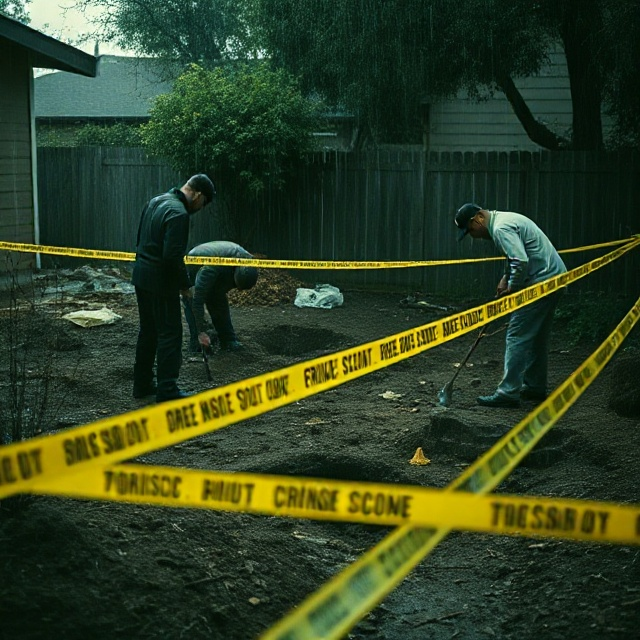
The Sacramento boarding house murders involved an elaborate disposal system. Puente hired convicts and homeless handymen to dig holes in her backyard, claiming she needed space for planting or garbage disposal. She had them build storage boxes and move heavy loads without revealing the gruesome contents related to the Sacramento boarding house murders.
Neighbors repeatedly complained about a sweet, rotting smell emanating from her yard during the Sacramento boarding house murders, but nobody suspected the horrifying truth. The bodies decomposed just feet from where other tenants lived, ate, and slept, making the Sacramento boarding house murders one of the most brazen serial killing operations in American history.
The Victims: Nine Lives Lost
Confirmed Murder Victims
The Sacramento boarding house murders claimed at least nine lives between 1982 and 1988:
- Ruth Monroe (61) – Puente’s business partner who died in 1982, less than three weeks after moving in
- Everson Gillmouth (77) – Killed in 1985, his body was found in a wooden box dumped near the Sacramento River
- Leona Carpenter (78) – The first body discovered in the backyard
- Alvaro “Bert” Montoya (51) – A man with intellectual disabilities whose disappearance triggered the investigation
- Dorothy Miller (64) – Found buried in the yard
- Benjamin Fink (55) – Another backyard victim
- James Gallop (62) – Had survived both a heart attack and brain tumor surgery before meeting Puente
- Vera Faye Martin (64) – Discovered during the excavation
- Betty Palmer (78) – Found buried without her head, hands, and feet
The Financial Motive
The Sacramento boarding house murders were driven by greed. Prosecutors revealed Puente stole approximately $87,000 through her scheme, with some money allegedly spent on a facelift. She forged signatures, changed mailing addresses, and cashed checks long after committing the Sacramento boarding house murders.
In one case during the Sacramento boarding house murders, she obtained a California ID card using her photo with victim Betty Palmer’s name, then changed the mailing address for Palmer’s Social Security checks. This financial exploitation was the primary motive behind the Sacramento boarding house murders.
The Investigation Unravels
The Missing Person Report
The Sacramento boarding house murders investigation began when social worker Judy Moise reported Alvaro Montoya missing in November 1988. Moise had placed Montoya at Puente’s house and became suspicious when he missed scheduled meetings.
Puente claimed Montoya had gone to Mexico, but Moise didn’t believe her story and filed a missing persons report. This single act of persistence would finally expose years of murder.
The Backyard Discovery
On November 11, 1988, Detective John Cabrera arrived at the boarding house with other officers to investigate the Sacramento boarding house murders. Initially finding nothing suspicious inside, they requested permission to dig in areas of recently disturbed soil.
Within thirty minutes, Detective Cabrera discovered the first body linked to the Sacramento boarding house murders. As excavation continued, the horrifying scope of the Sacramento boarding house murders became clear. Seven bodies lay buried in the small backyard, making the Sacramento boarding house murders one of California’s most shocking crime scenes.
The Escape and Capture
Fleeing Sacramento
While police excavated her yard, Puente asked Detective Cabrera if she could leave for a walk, and inexplicably, he agreed. She walked away from the crime scene and never returned, fleeing to Los Angeles.
On November 13, 1988, authorities issued an all-points bulletin for her arrest. The grandmother who had fooled Sacramento for years was now America’s most wanted woman.
Arrest in Los Angeles
On November 16, 1988, Charles Willgues recognized Puente from a CBS morning newscast at a Los Angeles bar where she was using the alias Donna Johansen. He contacted authorities, leading to her immediate arrest.
The man later told reporters that Puente had shown excessive interest in his disability checks during their bar conversation—a chilling echo of her established pattern.
The Trial and Conviction
Legal Proceedings
Puente’s trial for the Sacramento boarding house murders began in February 1993 in Monterey County, after the case was moved from Sacramento due to extensive media coverage. She faced nine counts of murder related to the Sacramento boarding house murders, though the jury would ultimately deadlock on six.
The prosecution presented her as one of the most “cold and calculating female killers the country had ever seen” in connection with the Sacramento boarding house murders. They detailed how she preyed on the vulnerable, murdered them systematically, and profited from their deaths throughout the Sacramento boarding house murders.
The Verdict
After 24 days of deliberation, the jury convicted Puente of three murders, deadlocking on the other six cases. She received two consecutive life sentences without the possibility of parole.
Throughout the trial, Puente maintained her innocence, claiming all deaths were from natural causes or suicide. She never admitted guilt, even to the forensic psychologist who evaluated her.
The Aftermath and Legacy
Death in Prison
Dorothea Puente, the perpetrator of the Sacramento boarding house murders, died on March 27, 2011, at age 82 in the Central California Women’s Facility in Chowchilla. She maintained her innocence until the end, never confessing to the Sacramento boarding house murders that shocked the nation.
The House Today
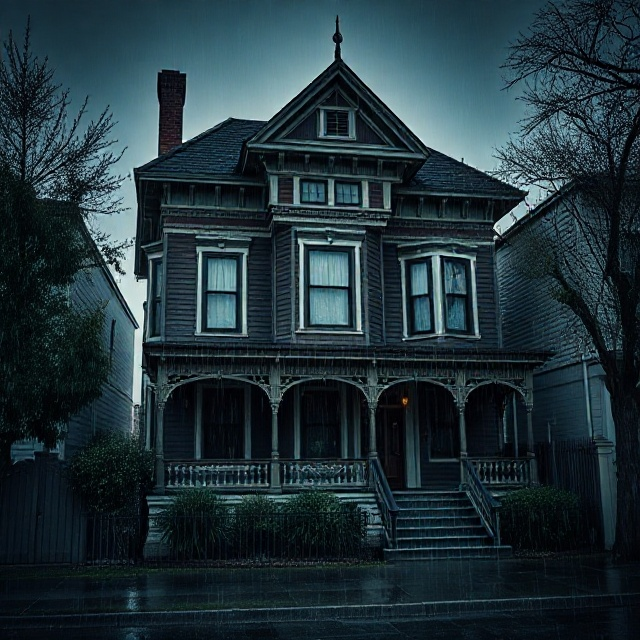
The infamous house at 1426 F Street, site of the Sacramento boarding house murders, still stands in Sacramento. Current owners purchased it at public auction in 2011 for $215,000 and have embraced its dark history from the Sacramento boarding house murders with mannequins and crime scene tape decorations.
A sign on the property jokes: “Trespassers will be drugged and buried in the yard”. The house has become a macabre tourist attraction, featured in documentaries and true crime tours.
Cultural Impact
The Sacramento boarding house murders inspired the book “Cooking with a Serial Killer” (2004), featuring Puente’s prison recipes and artwork. Netflix’s “Worst Roommate Ever” introduced her story to a new generation in 2022.
The case changed how Sacramento social services evaluate care homes. It highlighted the vulnerability of society’s forgotten people and the ease with which predators can exploit systemic failures.
Frequently Asked Questions
Q: How many people did Dorothea Puente actually kill?
A: While Puente was charged with nine murders and convicted of three, the actual number may be higher. Some investigators suspected up to 25 deaths, though only nine were officially linked to the Sacramento boarding house murders.
Q: Why did the jury only convict on three murders?
A: The case relied entirely on circumstantial evidence, as forensic testing failed to determine definitive causes of death. Without direct evidence or witnesses, the jury couldn’t reach unanimous decisions on six counts.
Q: What happened to Dorothea Puente’s victims’ families?
A: Many victims had little to no family connections, which is why Puente targeted them. Some families had lost touch with their relatives years before the murders. This isolation made the Sacramento boarding house murders possible.
Q: Is the boarding house still operating?
A: No, 1426 F Street is now a private residence. The house was included in the 2013 Sacramento Old City Association home tour and remains a point of dark fascination for true crime enthusiasts.
Q: Did Dorothea Puente ever show remorse?
A: According to forensic psychologist William Vicary who worked with Puente, she never admitted responsibility for the crimes, finding it “too humiliating, too shameful”. She died without ever confessing.
Conclusion: Lessons from the Sacramento Boarding House Murders
The Sacramento boarding house murders stand as a chilling reminder of how society’s most vulnerable citizens can fall through the cracks. Dorothea Puente exploited systemic failures, bureaucratic oversights, and human compassion to commit her heinous crimes.
Her ability to maintain a grandmother’s facade while committing multiple murders challenges our assumptions about appearances and evil. The case forever changed how California monitors care facilities and protects at-risk populations.
Today, 1426 F Street serves as a grim monument to the nine lives lost and the importance of vigilance in protecting those who cannot protect themselves. The Sacramento boarding house murders may have ended with Puente’s arrest, but the questions they raise about society’s responsibility to its most vulnerable members remain painfully relevant.
What aspects of this case disturb you most? Share your thoughts on how we can better protect vulnerable populations from predators who exploit the care system. Read more about female serial killers
FEMALE SERIAL KILLERS: 7 CHILLING CASES THAT SHOCKED THE WORLD
For more chilling true crime stories from Sources: Wikipedia – Dorothea Puente, Court Records – Sacramento County Superior Court