
Myra Hindley: Shocking Truth Behind 5 Child Murders
The name Myra Hindley remains synonymous with pure evil in British criminal history. Between 1963 and 1965, she and her partner Ian Brady committed crimes so heinous that they forever changed how Britain viewed female criminals.
What drives someone to participate in the torture and murder of innocent children? This question has haunted investigators, psychologists, and the public for decades when examining Myra Hindley’s role in the Moors Murders.

The Making of Myra Hindley: Early Life and Transformation
Born on July 23, 1942, in Crumpsall, Manchester, Myra Hindley’s childhood seemed unremarkable. She was raised primarily by her grandmother after her younger sister Maureen was born, as her parents struggled financially.
Friends and family described young Myra as intelligent, religious, and caring. She attended Catholic school, showed kindness to animals, and even babysat neighborhood children. Nothing in her early years hinted at the monster she would become.
Her life changed dramatically in 1961 when she began working as a typist at Millwards Merchandising. There, she met Ian Brady, a stock clerk with a fascination for Nazi ideology and the writings of the Marquis de Sade.
The Toxic Romance That Created a Killer
Myra Hindley became instantly infatuated with Brady. She wrote in her diary about her obsession, documenting every interaction and lamenting when he ignored her. For nearly a year, Brady showed no interest, deliberately playing psychological games.
When Brady finally asked her out in December 1961, Hindley was completely under his spell. Their relationship quickly became all-consuming, with Brady systematically isolating her from family and friends.
Brady introduced Hindley to his dark interests: Nazi atrocities, sexual sadism, and crime. He gave her books about Nazi philosophy and made her watch violent pornography. Together, they planned what Brady called “the perfect murder.”
The Moors Murders: A Timeline of Terror
The killing spree that would terrorize Greater Manchester began on July 12, 1963. Over the next two years, Myra Hindley and Ian Brady would claim at least five young victims.
Pauline Reade: The First Victim
Sixteen-year-old Pauline Reade disappeared on July 12, 1963, while walking to a dance at the Railway Workers’ Social Club. Myra Hindley, who knew Pauline as a friend of her younger sister, lured the teenager into her van.
Hindley told Pauline she had lost an expensive glove on Saddleworth Moor and offered her a reward to help search for it. Once on the desolate moor, Brady appeared and attacked Pauline.
The teenager’s body wouldn’t be found for 24 years. When finally discovered in 1987, evidence showed she had been sexually assaulted and her throat cut so violently that she was nearly decapitated.
John Kilbride: The Boy Who Loved Football
Twelve-year-old John Kilbride vanished on November 23, 1963, after visiting Ashton-under-Lyne market. The football-loving boy had told friends he was going to earn money at the market to buy his parents Christmas presents.
Myra Hindley approached John at the market, again using her seemingly harmless appearance to gain trust. She offered him a ride home, but instead drove him to Saddleworth Moor where Brady was waiting.
John’s mother searched desperately for her son, even consulting psychics. His body was discovered on October 21, 1965, after Brady and Hindley’s arrest. The child had been sexually assaulted and strangled.

Keith Bennett: Still Missing
Twelve-year-old Keith Bennett disappeared on June 16, 1964, while walking to his grandmother’s house. His mother, Winnie Johnson, would spend the rest of her life searching for her son’s body.
Brady and Hindley later admitted to killing Keith, but his remains have never been found despite numerous searches. Winnie Johnson died in 2012, never able to give her son a proper burial.
The case of Keith Bennett remains one of Britain’s most heartbreaking unsolved elements of the Moors Murders. Even on her deathbed in 2002, Myra Hindley refused to reveal the exact location of his grave.
Lesley Ann Downey: The Christmas Victim
Ten-year-old Lesley Ann Downey was abducted on December 26, 1964, from a fairground in Ancoats. The little girl had been at the fair with her brothers and friends when she became separated from the group.
What happened next would become the most disturbing evidence in the trial. Brady and Hindley had tape-recorded Lesley Ann’s final moments, creating a 16-minute audio recording of the child pleading for her life.
The tape, played during the trial, captured Lesley Ann crying for her mother while Christmas music played in the background. Myra Hindley’s voice can be heard telling the terrified child to be quiet and to put something in her mouth.
Edward Evans: The Final Murder
Seventeen-year-old Edward Evans became the last known victim on October 6, 1965. Unlike the other murders, this killing would lead directly to the couple’s capture.
Brady picked up Edward at Manchester Central Station and brought him back to the house he shared with Hindley at 16 Wardle Brook Avenue. There, in front of Hindley’s brother-in-law David Smith, Brady attacked Edward with an axe.
Smith, horrified by what he witnessed, went to the police the next morning. This act of courage ended the killing spree and brought Myra Hindley and Ian Brady to justice.
The Investigation: Uncovering the Horror
When police arrested Brady and Hindley on October 7, 1965, they initially only knew about Edward Evans. The investigation that followed would reveal the true extent of their crimes.
Key Evidence Discovered
Detectives searching the couple’s home made several crucial discoveries:
- The suitcase: Hidden in a left-luggage locker at Manchester Central Station, containing disturbing photographs
- The photographs: Images of Myra Hindley posing on Saddleworth Moor, standing on the graves of their victims
- The tape recording: The horrifying audio of Lesley Ann Downey’s final moments
- Brady’s notebooks: Detailed plans and codes related to the murders
- The burial sites: Located through careful analysis of the photographs
Chief Inspector Joe Mounsey led the investigation with meticulous attention to detail. His team spent months on Saddleworth Moor, searching for bodies in the harsh terrain.
Breaking Through Myra Hindley’s Facade
Initially, Myra Hindley maintained complete innocence, claiming Brady had acted alone. She presented herself as a battered woman under Brady’s control, forced to participate against her will.
Detectives found this difficult to believe. Evidence showed Hindley had actively participated in luring victims, and witnesses reported seeing her alone with children who later disappeared.
The tape recording of Lesley Ann Downey was particularly damning. Hindley’s calm, cold voice giving orders to the terrified child contradicted her claims of being a reluctant participant.
The Trial That Shocked Britain
The trial of Myra Hindley and Ian Brady began on April 19, 1966, at Chester Assizes. The proceedings would last 14 days and generate unprecedented media coverage.
Public Reaction and Media Frenzy
The courtroom was packed every day, with hundreds more gathering outside. The British public struggled to comprehend how a woman could participate in such evil acts against children.
Myra Hindley’s appearance became infamous. Her bleached blonde bouffant hairstyle and cold demeanor in court photographs came to symbolize female evil in the public consciousness.
Newspapers dubbed her “the most evil woman in Britain,” a title that would follow her for the rest of her life. The image of Hindley from her police mugshot became one of the most reviled photographs in British history.
The Verdict and Sentencing
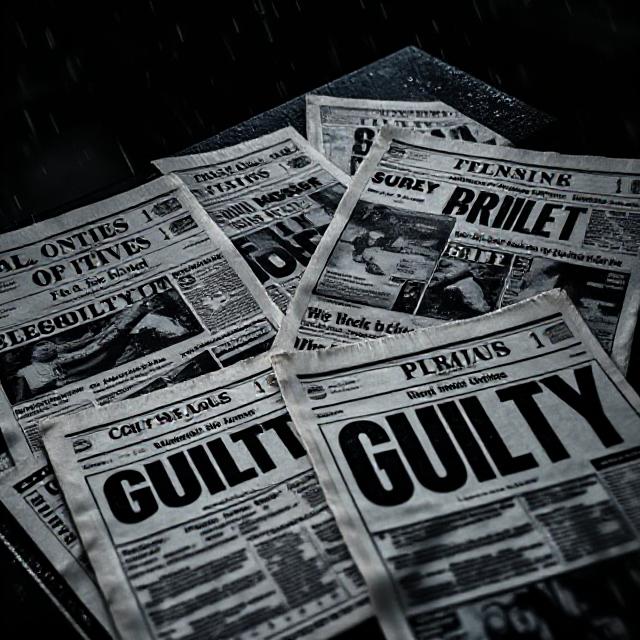
On May 6, 1966, both Myra Hindley and Ian Brady were found guilty of murder. Brady received three life sentences, while Hindley received two life sentences plus seven years for harboring Brady after Edward Evans’s murder.
The judge, Mr. Justice Fenton Atkinson, described the murders as “calculated, cruel, and cold-blooded.” He recommended that Brady never be released and that Hindley serve a very long minimum term.
Life Behind Bars: Myra Hindley’s Imprisonment
Myra Hindley spent 36 years in prison before her death in 2002. Her time behind bars was marked by numerous controversies, escape attempts, and campaigns for release.
Early Years and Confession
For the first two decades of her imprisonment, Hindley maintained her innocence regarding Pauline Reade and Keith Bennett. She claimed to have been under Brady’s evil influence, painting herself as a victim.
In 1987, following pressure from journalists and the families, Myra Hindley finally confessed to her involvement in all five murders. She agreed to help police locate the remaining bodies on Saddleworth Moor.
This confession came too late for many. The families of the victims saw it as a calculated attempt to gain public sympathy and eventual release, not genuine remorse.
The Longford Campaign
Lord Longford, a devout Catholic and prison reformer, became Hindley’s most vocal supporter. He visited her regularly and campaigned for her release, claiming she had reformed and found God.
This campaign generated enormous public backlash. Victims’ families were outraged, and public opinion polls consistently showed over 80% of Britons opposed her release.
Myra Hindley herself claimed to have converted to Catholicism and expressed remorse for her crimes. She completed an Open University degree and became a accomplished painter while in prison.
Relationship with Prison Staff
Reports from prison officers painted a complex picture of Myra Hindley. Some described her as manipulative and calculating, while others found her intelligent and reformed.
She formed a romantic relationship with Patricia Cairns, a prison officer who later served six years for helping plan Hindley’s escape. This relationship further damaged Hindley’s claims of rehabilitation.
Several escape attempts were uncovered during her imprisonment. Each revelation reinforced public perception that she remained dangerous and unrepentant.
The Psychology of Myra Hindley
Understanding what drove Myra Hindley to commit such heinous acts has fascinated criminologists and psychologists for decades.
Nature vs. Nurture Debate
Experts remain divided on whether Hindley was inherently evil or transformed by Brady’s influence. Some key factors considered include:
- Dependency personality: Hindley showed signs of extreme emotional dependency on Brady
- Hybristophilia: Sexual attraction to people who commit crimes
- Folie à deux: A shared psychotic disorder between two people
- Antisocial personality disorder: Lack of empathy and remorse
Dr. Malcolm MacCulloch, who assessed both killers, believed Hindley was a willing participant who gained sadistic pleasure from the murders. He disputed her claims of being Brady’s victim.
The Female Serial Killer Phenomenon
Myra Hindley challenged stereotypes about female criminals. She wasn’t motivated by money or revenge, the typical drivers for female killers. Instead, she participated in sexual sadism and child murder.
This made her particularly terrifying to the public. The idea that a woman could betray maternal instincts so completely shattered social expectations and norms.
Studies of Hindley have contributed significantly to understanding female serial killers and their motivations. Her case remains a landmark in criminal psychology research.
The Victims’ Families: A Legacy of Pain
The families of Myra Hindley’s victims have carried unbearable grief for decades. Their tireless campaigns for justice have shaped British criminal law and victim rights.
Winnie Johnson’s Desperate Search
Keith Bennett’s mother, Winnie Johnson, became a tragic symbol of the Moors Murders’ ongoing impact. She spent 48 years searching for her son’s body, writing letters to Brady and Hindley begging for information.
Johnson made numerous trips to Saddleworth Moor, sometimes crawling on hands and knees looking for clues. She died in 2012 at age 78, her dying wish unfulfilled.
Her determination inspired changes in how authorities handle missing persons cases and the rights of victims’ families to information.
The Campaign Against Parole
The families successfully campaigned to keep both killers behind bars for life. They attended every parole hearing, submitted victim impact statements, and rallied public support.
Their efforts contributed to changes in life sentence legislation, including the introduction of whole life orders for the most serious crimes. This ensures certain offenders can never be released.
Ann West, Lesley Ann Downey’s mother, was particularly vocal. She dedicated her life to ensuring Hindley never gained freedom, believing any release would be a betrayal of her daughter’s memory.
The Death of Myra Hindley
On November 15, 2002, Myra Hindley died at West Suffolk Hospital. She was 60 years old and had been suffering from respiratory failure caused by bronchial pneumonia.
Final Years and Death
In her final years, Hindley had been moved to Highpoint Prison in Suffolk. She continued to maintain that she was reformed and deserved freedom, despite successive Home Secretaries ruling she must die in prison.
Her death sparked mixed reactions. Some victims’ families expressed relief, while others felt cheated that she died without revealing Keith Bennett’s burial location.
The authorities took extraordinary precautions with her funeral, conducting it in secret to prevent public protests or grave desecration. Her ashes were scattered at Stalybridge Country Park, though this location wasn’t revealed for years.
Public Reaction to Her Death
News of Myra Hindley’s death dominated British media. Many newspapers ran retrospectives on the Moors Murders, reigniting public horror at the crimes.
Some religious leaders called for forgiveness and prayers for her soul, generating fierce debate about redemption and justice. The majority public sentiment remained that she deserved no sympathy.
Her death failed to bring closure to the families. With Keith Bennett still missing and questions unanswered, the Moors Murders case remains partially unresolved.

Myra Hindley’s Impact on British Criminal Justice
The Moors Murders case fundamentally changed British approaches to child protection, criminal investigation, and life sentences.
Changes in Child Protection
The case highlighted vulnerabilities in child safety, leading to:
- Increased awareness of stranger danger
- Better communication between police forces about missing children
- Development of child protection protocols
- Public education campaigns about child safety
Parents became more protective, and the innocence of allowing children to roam freely was lost forever. The murders marked the end of an era in British childhood.
Influence on Criminal Law
Several significant legal changes followed the Moors Murders:
- Introduction of tape recording police interviews
- Enhanced forensic photography techniques
- Development of criminal profiling methods
- Stronger life sentence guidelines
The case also influenced the abolition of the death penalty in Britain. The murders occurred just after capital punishment was suspended, and some argued they proved the need for its return.
Frequently Asked Questions
Q: Did Myra Hindley ever show genuine remorse for her crimes?
A: While Myra Hindley claimed remorse in later years and converted to Catholicism, many doubted her sincerity. Victims’ families believed her expressions of regret were calculated attempts to gain release. Her refusal to reveal Keith Bennett’s burial location even on her deathbed suggested to many that any remorse was superficial.
Q: Why did Myra Hindley participate in the murders?
A: Criminologists propose several theories: extreme emotional dependency on Ian Brady, sexual sadism, or an existing antisocial personality that Brady activated. Most experts who evaluated her concluded she was a willing participant who gained satisfaction from the crimes, not merely Brady’s puppet.
Q: Could Myra Hindley have been released from prison?
A: Despite numerous appeals and campaigns, successive Home Secretaries ruled that Myra Hindley must never be released. In 1990, she became one of the first prisoners subject to a whole life tariff, ensuring she would die in prison regardless of any claims of rehabilitation.
Q: Is Keith Bennett’s body still being searched for?
A: Greater Manchester Police continue to investigate credible leads about Keith Bennett’s burial location. In 2022, investigators searched an area of Saddleworth Moor following new information, though nothing was found. The case remains open, and authorities are committed to giving Keith’s family closure if possible.
The Enduring Horror of Myra Hindley
More than 50 years after her crimes, Myra Hindley remains Britain’s most notorious female serial killer. Her name evokes a unique horror – the betrayal of every nurturing instinct society associates with women.
The photograph of Myra Hindley staring coldly from her police mugshot has become an icon of evil. It serves as a reminder that monsters don’t always appear monstrous, that evil can hide behind an ordinary face.
Her victims – Pauline Reade, John Kilbride, Keith Bennett, Lesley Ann Downey, and Edward Evans – were children and young people with their whole lives ahead of them. They were stolen from their families in acts of unimaginable cruelty.
The Moors Murders case continues to fascinate and horrify because it challenges our understanding of human nature. How could Myra Hindley, who once babysat children and attended church, transform into someone capable of such evil?
Perhaps most disturbing is that we may never fully understand. Despite decades of analysis, interviews, and psychological evaluation, the complete truth about what drove Myra Hindley to murder remains locked away, buried as deeply as Keith Bennett’s undiscovered grave on Saddleworth Moor.
What do you think drove Myra Hindley to commit these horrific crimes? Was she Ian Brady’s victim who became a perpetrator, or was she always capable of such evil? Share your thoughts on this enduring mystery that continues to haunt British criminal history.
For more chilling true crime stories about female serial killers
Sources: The National Archives UK records on the Moors Murders case and Greater Manchester Police historical case files