
Elizabeth Bathory Blood Countess: 5 Chilling Facts About History’s Most Prolific Female Serial Killer
The name Elizabeth Bathory sends shivers down the spine of anyone familiar with true crime history. Known as the Elizabeth Bathory Blood Countess, this Hungarian noblewoman’s reign of terror in the late 16th and early 17th centuries remains one of the most disturbing cases in criminal history. Accused of torturing and murdering hundreds of young women, her story has inspired countless vampire legends and continues to fascinate horror enthusiasts today.
But how much of the Elizabeth Bathory Blood Countess legend is fact, and how much is fiction? Let’s dive into the chilling details of one of history’s most notorious female serial killers.
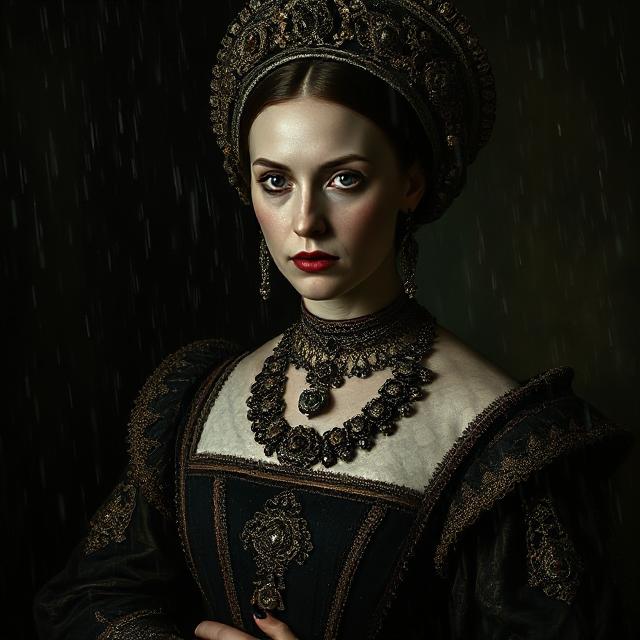
The Rise of the Blood Countess: Elizabeth Bathory’s Early Life
Born on August 7, 1560, into one of the most powerful noble families in Hungary, Elizabeth Bathory seemed destined for a life of privilege and influence. The Bathory family controlled vast estates and held significant political power throughout Eastern Europe. Young Elizabeth received an excellent education, rare for women of her time, and was fluent in multiple languages including Hungarian, Latin, and German.
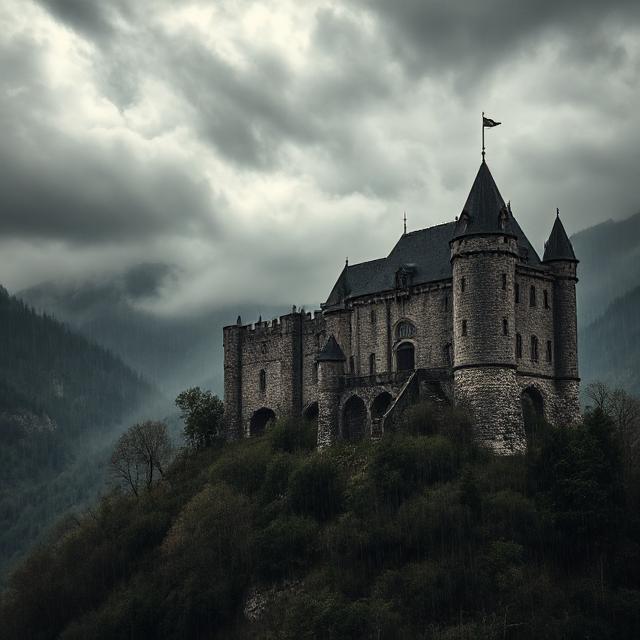
At age 15, Elizabeth married Count Ferenc Nádasdy, a union that further consolidated her family’s power. The couple took up residence at Čachtice Castle in present-day Slovakia, where Elizabeth would eventually commit her most heinous crimes.
Her husband, known as the “Black Knight of Hungary,” spent much of their marriage away fighting Ottoman Turks. This left Elizabeth in charge of managing their vast estates and gave her unprecedented freedom for a woman of her era. But this freedom would prove catastrophic for countless young women.
The Dark Descent: When Did the Killings Begin?
The exact timeline of when the Elizabeth Bathory Blood Countess began her murderous spree remains debated by historians. Most evidence suggests the killings escalated significantly after her husband’s death in 1604. With no one to answer to, Elizabeth’s sadistic tendencies flourished unchecked.
Initially, victims were primarily peasant girls from local villages who came to the castle seeking employment as servants. Elizabeth and her four accomplices would lure these young women with promises of good wages and comfortable positions. Once inside the castle walls, however, these girls faced unspeakable horrors.
The Methods of Murder
The torture methods employed by the Elizabeth Bathory Blood Countess were exceptionally cruel:
- Severe beatings with clubs and heavy objects that often proved fatal
- Burning with hot irons, candles, and heated metal objects
- Freezing victims by dousing them in water during winter and leaving them to die
- Starvation and prolonged torture sessions lasting days or weeks
- Mutilation using various sharp instruments and needles
Witnesses later testified that Elizabeth seemed to derive pleasure from watching her victims suffer. She would often participate directly in the torture, biting chunks of flesh from her victims’ faces and bodies.
The Blood Bathing Myth: Separating Fact from Fiction
Perhaps the most infamous aspect of the Elizabeth Bathory Blood Countess legend is the claim that she bathed in the blood of virgins to maintain her youth and beauty. This grotesque detail has cemented her place in vampire folklore and inspired countless works of fiction.
However, historians have found no contemporary evidence supporting the blood bathing allegations. This particular detail appears to have been added to her story decades after her death, likely influenced by the vampire legends sweeping through Eastern Europe during the 18th century.
What we do know from trial documents is disturbing enough. Elizabeth was obsessed with beauty and aging, and witnesses testified that she believed the blood of young women held rejuvenating properties. Whether she literally bathed in blood or simply engaged in other blood-related rituals remains unclear, but the myth has overshadowed the very real horrors she inflicted.
The Investigation: How the Blood Countess Was Finally Stopped
For years, rumors circulated throughout the Hungarian countryside about disappearances near Elizabeth’s estates. However, her noble status and powerful family connections kept authorities at bay. Peasant girls going missing simply didn’t warrant investigation when a countess was involved.
Everything changed when Elizabeth made a fatal mistake: she began targeting daughters of minor nobility and gentry. When these girls of higher social standing started disappearing, Hungarian authorities could no longer ignore the mounting evidence.
The Raid on Čachtice Castle
On December 29, 1610, Count György Thurzó, the Palatine of Hungary, led a raid on Čachtice Castle. What his men discovered shocked even the hardened nobleman.
According to testimony, the raiding party found:
- One dead girl in the main hall, drained of blood
- Another dying victim who had been tortured repeatedly
- Dozens of other girls imprisoned in the dungeons, many showing signs of torture
- Bodies buried in various locations around the castle grounds and nearby areas
The scene was so horrific that even in an age accustomed to violence, witnesses were traumatized by what they saw.
The Trial and Testimony: Evidence Against the Blood Countess
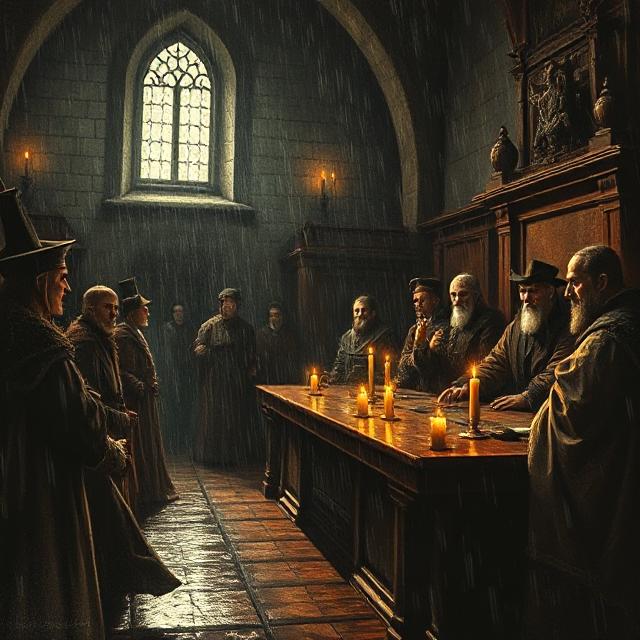
The trial of Elizabeth Bathory’s accomplices began in January 1611. Elizabeth herself never faced formal trial due to her noble status, but her four main accomplices were interrogated and tried:
- János Újváry (Ficko) – her manservant
- Ilona Jó – her wet nurse and close confidante
- Dorottya Szentes (Dorka) – a local woman who helped procure victims
- Katalin Beneczky – a washerwoman who assisted in disposing of bodies
During the trial, over 300 witnesses provided testimony. The accounts were remarkably consistent and deeply disturbing. Several witnesses claimed Elizabeth kept a list or diary documenting her victims, with numbers reaching into the hundreds.
The Victim Count Controversy
The number of victims attributed to the Elizabeth Bathory Blood Countess varies wildly depending on the source:
- Official trial records: Approximately 80 confirmed victims
- Witness testimony: Claims ranged from 100 to 650 victims
- Modern historians: Most conservative estimates place the number between 30 and 100
The figure of 650 victims comes from a witness who claimed to have seen a register in Elizabeth’s own handwriting. However, this document was never produced at trial, leading many historians to question its existence. Regardless of the exact number, it’s clear that Elizabeth Bathory killed dozens, possibly hundreds, of young women.
Justice Delayed: The Punishment of the Blood Countess
Elizabeth Bathory’s accomplices faced brutal executions befitting the era:
- János Újváry had his fingers torn off with red-hot pincers before being burned alive
- Ilona Jó and Dorottya Szentes were also burned at the stake
- Katalin Beneczky received life imprisonment due to lesser involvement
As for the Elizabeth Bathory Blood Countess herself, her noble blood protected her from execution. King Matthias II initially called for her death, but her family’s political influence prevented such a sentence. Instead, authorities devised a different punishment.
Elizabeth was placed under house arrest within Čachtice Castle. Workers bricked up the windows and doors of her chambers, leaving only a small slot for food delivery and ventilation. She lived in this confined space for approximately four years, never seeing another human face.
On August 21, 1614, a guard peering through the food slot found Elizabeth Bathory lying face down on the floor. The Elizabeth Bathory Blood Countess was dead at age 54. She was buried in the church of Čachtice, though her body was later moved due to local protests.
The Legacy of Evil: How Elizabeth Bathory Influenced Popular Culture
The story of the Elizabeth Bathory Blood Countess has left an indelible mark on horror and vampire fiction. Her legend influenced:
- Bram Stoker’s Dracula: Some scholars believe Bathory partially inspired female vampire characters
- Numerous films and books: From “Countess Dracula” (1971) to more recent horror adaptations
- Heavy metal music: Multiple bands have written songs about her crimes
- True crime fascination: She remains a subject of documentaries and crime shows
The Elizabeth Bathory Blood Countess represents a particular type of horror—the monster hiding behind a beautiful, aristocratic face. Her story reminds us that evil doesn’t always announce itself with fangs and capes; sometimes it wears silk gowns and speaks multiple languages.
Modern Analysis: Understanding the Psychology of the Blood Countess
Contemporary psychologists and criminologists have attempted to understand what drove the Elizabeth Bathory Blood Countess to commit such atrocities. Several theories have emerged:
Power and Sadism
Elizabeth lived in an era when nobles held absolute power over their subjects. This unchecked authority, combined with sadistic tendencies, created perfect conditions for her crimes. Many experts believe she suffered from what we would now call sadistic personality disorder.
Sexual Sadism and Control
Some researchers suggest sexual gratification played a role in her crimes. The systematic torture and the intimate nature of many attacks indicate possible psychosexual motivation. The Elizabeth Bathory Blood Countess may have derived sexual pleasure from the suffering of others, particularly young women whom she could control completely.
The Vanity Theory
While the blood bathing myth may be exaggerated, Elizabeth was reportedly obsessed with aging and preserving her beauty. This vanity, taken to pathological extremes, may have motivated some of her actions. She genuinely may have believed that blood from young women could preserve her youth.
Was She Actually Innocent?
A minority of historians have questioned whether the Elizabeth Bathory Blood Countess was truly guilty or if she was framed by relatives seeking to seize her wealth and estates. The fact that she never received a formal trial has fueled these theories.
However, the overwhelming evidence—including consistent witness testimony from unconnected sources, the physical evidence found at the castle, and confessions from accomplices—makes this theory unlikely. The Elizabeth Bathory Blood Countess was almost certainly guilty of horrific crimes.
Comparing Elizabeth Bathory to Other Serial Killers
The Elizabeth Bathory Blood Countess stands apart from other serial killers in several ways:
She predates the term “serial killer” by centuries, yet her pattern of repeated murders for psychological gratification fits the modern definition perfectly. Unlike many serial killers who operate in secrecy, Elizabeth used her castle as a hunting ground, believing her status made her untouchable.
Her victim count, while disputed, potentially makes her one of the most prolific serial killers in recorded history. For comparison, modern serial killers like Aileen Wuornos killed 7 victims, while even prolific killers like Harold Shipman were convicted of “only” 15 murders (though suspected of many more).
What makes the Elizabeth Bathory Blood Countess particularly chilling is the sadistic nature of her crimes. She didn’t kill quickly or efficiently—she tortured her victims extensively, deriving pleasure from their suffering over days or weeks.
The Historical Context: Violence in 16th Century Hungary
To fully understand the Elizabeth Bathory Blood Countess, we must consider the violent era in which she lived. The late 16th and early 17th centuries in Hungary were marked by:
- Constant warfare with the Ottoman Empire
- Religious conflicts between Catholics and Protestants
- Brutal justice systems where torture was routine
- Extreme class divisions where nobles had near-absolute power over peasants
Violence was commonplace, and the value of human life—especially peasant life—was shockingly low. This doesn’t excuse Elizabeth’s crimes, but it explains how she operated for so long without intervention. The disappearance of peasant girls simply didn’t concern authorities until victims from higher social classes began vanishing.
The Elizabeth Bathory Blood Countess exploited this system ruthlessly, understanding that her noble status provided immunity from prosecution for crimes against those beneath her station.
Unanswered Questions: Mysteries That Remain
Despite centuries of research, several aspects of the Elizabeth Bathory Blood Countess case remain mysterious:
Q: How many victims did she actually kill?
A: The true number will never be known. Conservative estimates suggest 30-100 victims, while some witness testimony claimed up to 650. The most reliable evidence points to at least 80 confirmed deaths.
Q: Did she really bathe in blood?
A: No contemporary evidence supports this claim. It appears to be a later embellishment that merged her actual crimes with vampire folklore. However, witnesses did testify to blood-related rituals and her belief in blood’s rejuvenating properties.
Q: Why wasn’t she executed like her accomplices?
A: Her noble status and powerful family connections protected her. In the feudal system of 17th-century Hungary, executing a countess from one of the realm’s most important families was politically impossible.
Q: Could she have been framed?
A: While some historians have suggested this, the overwhelming evidence—including confessions, witness testimony, and physical evidence—makes it highly unlikely. The Elizabeth Bathory Blood Countess was almost certainly guilty.
Q: Where is she buried today?
A: Her final resting place is unknown. After being moved from the Čachtice church due to local protests, her remains were relocated, but records of the final location have been lost to history.
Lessons from the Blood Countess: What Her Story Teaches Us
The tale of the Elizabeth Bathory Blood Countess offers several sobering lessons:
Unchecked power corrupts absolutely. Elizabeth’s noble status placed her above the law, allowing her crimes to continue unchecked for years. This reminds us why accountability and oversight are essential, regardless of someone’s social position or wealth.
Beauty and refinement can mask evil. The Elizabeth Bathory Blood Countess was educated, cultured, and beautiful by all accounts. Her story demonstrates that monsters don’t always look monstrous—sometimes they look like us.
Society protects those it values. Authorities ignored missing peasant girls for years but acted swiftly when noble daughters disappeared. This uncomfortable truth about whose lives society values continues to resonate today.
Evil is real and sometimes unexplainable. While psychologists can theorize about sadistic personality disorder and psychosexual motivations, the sheer depravity of Elizabeth’s crimes defies easy categorization. Some acts of evil remain fundamentally incomprehensible.
The Blood Countess in Modern True Crime Culture
The Elizabeth Bathory Blood Countess continues to fascinate true crime enthusiasts for several reasons. Her story contains elements that make for compelling narratives: aristocratic privilege, extreme violence, mysterious motivations, and a Gothic castle setting that seems lifted from horror fiction.
Modern podcasts, documentaries, and books regularly feature her case, introducing new generations to her crimes. Shows like “Lore” and “Hardcore History” have covered her story, while numerous true crime authors have devoted chapters or entire books to analyzing her psychology and motivations.
The Elizabeth Bathory Blood Countess represents an intersection of true crime and folklore that few other cases can match. She’s simultaneously a documented serial killer and a legendary figure, making her story endlessly reinterpretable through different lenses—historical, psychological, feminist, and Gothic.
Conclusion: The Enduring Horror of Elizabeth Bathory
The story of the Elizabeth Bathory Blood Countess remains one of the most disturbing in criminal history. Whether she killed 30 victims or 650, whether she bathed in blood or not, the fundamental truth remains: Elizabeth Bathory was a sadistic serial killer who tortured and murdered numerous young women for her own pleasure.
Her crimes reveal uncomfortable truths about power, privilege, and how society values different lives. The fact that authorities ignored her crimes for years because her victims were poor peasant girls speaks to systemic failures that still echo today.
The Elizabeth Bathory Blood Countess has become legend, but we must remember that her victims were real people—young women with names, families, and futures stolen from them. Behind the vampire myths and Gothic horror lies a tragedy of genuine suffering that should never be forgotten.
What aspects of the Elizabeth Bathory case do you find most disturbing? Do you think her noble status was the primary factor allowing her crimes to continue, or were other elements at play? Share your thoughts in the comments below.
Related Articles: