
Bible John Murders: 3 Chilling Deaths That Haunt Scotland
The Shadow Over Glasgow’s Dance Halls
The Bible John murders remain one of Scotland’s most haunting unsolved mysteries, a series of brutal killings that transformed Glasgow’s vibrant nightlife into a landscape of fear. Between 1968 and 1969, three young women met their deaths after nights out at the famous Barrowland Ballroom, their killer earning his sinister nickname from his habit of quoting scripture. This chilling case continues to captivate true crime enthusiasts over five decades later.
What makes these crimes particularly terrifying isn’t just their brutality, but the killer’s ability to vanish without a trace. Despite one of Scotland’s largest manhunts and multiple witnesses, Bible John was never caught. The Bible John murders represent a dark chapter in Glasgow’s history when a religious zealot turned the city’s dance halls into hunting grounds.
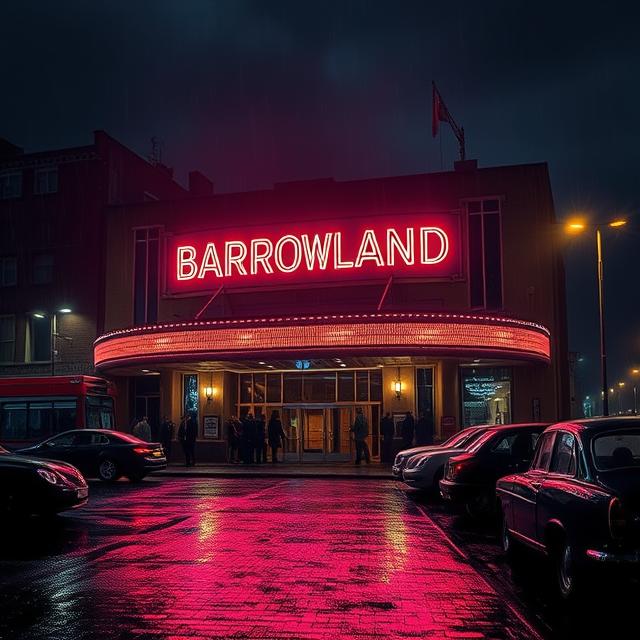
The Barrowland Ballroom: Where Music Met Murder
A Glasgow Institution
The Barrowland Ballroom stood as a beacon of entertainment in Glasgow’s East End. Built in 1934, this legendary venue attracted thousands of dancers each week, particularly on its famous over-25s nights. The ballroom represented freedom and joy for many working-class Glaswegians, a place where they could escape daily hardships through music and dance.
During the 1960s, the venue hosted both local bands and international acts. Its sprung dance floor and atmospheric lighting made it the perfect setting for romance. Tragically, it would also become the backdrop for unimaginable horror when the Bible John murders began.
The Thursday Night Tradition
Thursday nights held special significance at Barrowland. These over-25s nights attracted a specific crowd – many were married individuals seeking excitement, divorced people looking for new connections, or singles hoping to find companionship. The atmosphere was electric, filled with the sounds of popular music and laughter.
This regular crowd created a sense of community and familiarity. People felt safe among the familiar faces. This false sense of security would prove fatal for three young women who crossed paths with a killer hiding in plain sight.
Patricia Docker: The First Victim
A Night of Celebration
On February 22, 1968, 25-year-old Patricia Docker decided to celebrate at the Barrowland Ballroom. A nurse at Mearnskirk Hospital, Patricia was vivacious and well-liked by colleagues. Recently separated from her husband, she was rebuilding her life and that Thursday night represented a small act of independence.
Patricia left her four-year-old son with her parents, promising to return by midnight. She wore her favorite dress and carefully styled her hair, preparing for what should have been an enjoyable evening. Friends later recalled seeing her dancing with a tall, well-dressed man with reddish-brown hair.
The Grim Discovery
The following morning, Patricia’s body was discovered by a man walking his dog in a lane behind Carmichael Place, just yards from her home. She had been strangled with her own stockings. Her handbag was missing, though police found it days later with nothing taken.
The brutality of the murder shocked the community. Patricia had been so close to home, mere steps from safety. Initial investigations yielded few clues, and police treated it as an isolated incident. They had no idea this was just the beginning of what would become known as the Bible John murders.
Jemima McDonald: A Pattern Emerges
Another Thursday Night
On August 16, 1969, over a year after Patricia’s death, 32-year-old Jemima McDonald prepared for her own night out at Barrowland. A mother of three, Jemima had recently moved to Glasgow from Rutherglen. She arranged for her sister Margaret to babysit, planning to return before morning.
Jemima was known for her striking appearance and confident personality. She loved dancing and regularly attended Barrowland’s Thursday sessions. That night, she wore a black dress with a white frilled collar, an outfit her children would never see her wear again.
Similarities Surface
Jemima’s body was discovered on August 18 in a derelict building on Mackeith Street. Like Patricia, she had been strangled with her own stockings. The location was just a short distance from the ballroom. Her handbag, like Patricia’s, had been rifled through but nothing valuable taken.
The similarities between the murders finally caught investigators’ attention. Both women were young mothers. Both had attended Barrowland on Thursday nights. Both were strangled with their own stockings. The police now realized they might be dealing with a serial killer. The Bible John murders pattern was becoming clear.
The Investigation Intensifies
Glasgow police launched a massive investigation. They interviewed hundreds of Barrowland regulars and collected statements from anyone who remembered seeing Jemima that night. Several witnesses recalled seeing her with a tall, slim man with reddish hair – a description eerily similar to Patricia’s last known companion.
Detectives began operating undercover at the ballroom. Female officers posed as patrons while male officers watched for suspicious behavior. Despite these efforts, the killer remained elusive. The Bible John murders case was becoming a nightmare for law enforcement.
Helen Puttock: The Witness Who Survived
October 30, 1969: A Fateful Meeting
Helen Puttock, 29, arrived at Barrowland with her sister Jean for what would be her final Thursday night out. The sisters, both married with children, treated these evenings as rare opportunities for fun. They danced, laughed, and enjoyed the music, unaware that a predator was watching.
Around 9 PM, they met two men named John. To distinguish between them, they called one “Castlemilk John” after his neighborhood, and the other became known as “Bible John” due to his strange habit of quoting scripture throughout the evening. This religious fixation would give the killer his infamous moniker.
An Uncomfortable Evening
Jean would later provide investigators with the most detailed description of the suspect in the Bible John murders. She spent hours in his company, noting his peculiar behavior and unsettling comments. He condemned women who drank alcohol, expressed disgust at married women attending dances, and frequently quoted from the Old Testament.
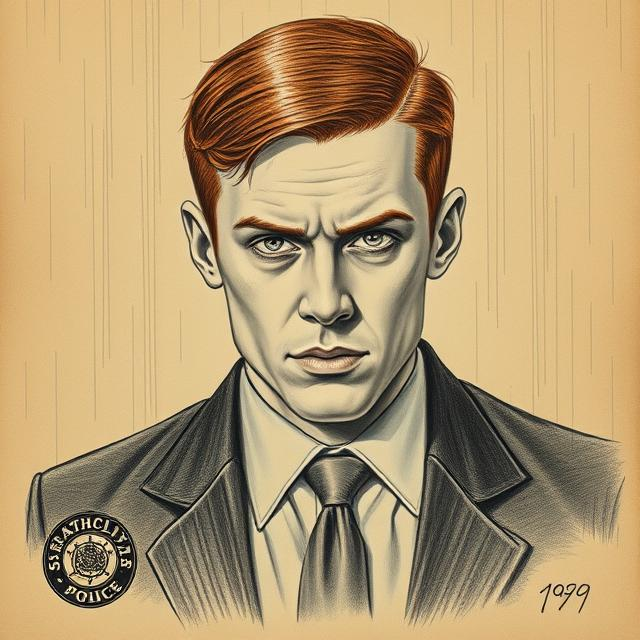
The man was described as tall, between 25 and 35 years old, with reddish-brown hair styled fashionably. He wore an expensive-looking brownish suit with a white shirt. His hands were well-manicured, suggesting a professional occupation. Most distinctively, he had overlapping front teeth and spoke with what Jean described as a polished accent.
The Last Journey
At closing time, the four shared a taxi. Bible John insisted on escorting the sisters home, displaying what seemed like gentlemanly behavior. They dropped Jean off first at her home in Knightswood. Helen lived just a short distance away, and Bible John said he would ensure she got home safely.
Jean watched the taxi disappear into the night. It was the last time she would see her sister alive. She would later express tremendous guilt about leaving Helen alone with the man, though she had no reason to suspect his true nature.
The Final Murder
Helen’s body was discovered the next morning in a courtyard in Earl Street, mere yards from her home. Like the previous victims, she had been strangled with her own stockings. Her handbag had been searched, and a sanitary napkin was placed prominently on her body – a detail that suggested the killer’s disgust with menstruation.
This murder provided investigators with their first real lead. Jean’s detailed testimony gave them a composite sketch and behavioral profile. The Bible John murders now had a face, even if they didn’t have a name.
The Investigation: Scotland’s Largest Manhunt
Unprecedented Police Response
The Helen Puttock murder triggered one of the largest criminal investigations in Scottish history. Over 100 detectives worked the case full-time. They interviewed more than 50,000 people and collected over 4,000 statements. The Bible John murders investigation cost exceeded £150,000 – an enormous sum for 1969.
Police stationed officers at dance halls across Glasgow. They compiled lists of every male who attended Barrowland, checking alibis for the three murder dates. Detectives even consulted with psychiatrists to develop a psychological profile of the killer, one of the earliest examples of criminal profiling in British policing.
The Composite and Campaign
Jean’s description led to a detailed composite sketch that appeared in every newspaper and on posters throughout Scotland. The image showed a young man with neat, reddish-brown hair, regular features, and a somewhat stern expression. This face haunted Glasgow for months as the Bible John murders dominated headlines.
The police campaign was revolutionary for its time. They used television appeals, radio broadcasts, and even cinema advertisements. Billboards featuring the composite appeared across the city. The phrase “Do you know Bible John?” became part of Glasgow’s vocabulary.
Following Every Lead
Investigators pursued thousands of leads. They checked dental records looking for men with overlapping teeth. They investigated men who quoted scripture or showed religious fanaticism. Golf courses were contacted, as Bible John mentioned playing golf during his conversation with the sisters.
One promising lead involved a man named John Irvine McInnes, who committed suicide in 1980. Some investigators believed he might have been Bible John, but DNA testing in 1996 ruled him out. The Bible John murders case grew colder with each passing year.
Theories and Suspects
Peter Tobin: A Modern Connection
In recent years, convicted serial killer Peter Tobin emerged as a potential Bible John suspect. Tobin, who murdered at least three women between 1991 and 2006, was living in Glasgow during the Bible John murders. He attended Barrowland Ballroom and matched the general description.
Investigators noted striking similarities between Tobin’s later crimes and the Bible John methodology. Both involved strangulation, both targeted vulnerable women, and both showed a pattern of religious obsession. However, Tobin has never been formally charged with the Bible John murders, and definitive proof remains elusive.
The Religious Extremist Theory
Many investigators believe Bible John was genuinely motivated by religious extremism. His comments about menstruation, married women dancing, and alcohol consumption suggest deep-seated misogyny wrapped in religious justification. This profile points to someone from a strict religious background who used scripture to justify violence.
Some theorists suggest he might have been a member of Glasgow’s Plymouth Brethren or another fundamentalist group. The killer’s knowledge of Old Testament scripture was extensive, suggesting regular study or religious training. The Bible John murders may have been his twisted form of divine punishment.
The Copycat Theory
Another theory proposes that Patricia Docker’s murder was unrelated to the other two. Some investigators believe a copycat killer, inspired by the first murder, committed the subsequent crimes. This would explain the long gap between the first and second murders.
This theory suggests the real “Bible John” only killed twice, making him harder to track. It would also explain why the investigation stalled – police were looking for connections that didn’t exist. However, most experts believe all three are connected Bible John murders.
The Cultural Impact
Glasgow’s Transformation
The Bible John murders fundamentally changed Glasgow’s social landscape. Dance halls implemented new security measures. Women became more cautious about accepting invitations from strangers. The carefree atmosphere of the 1960s gave way to vigilance and fear.
Barrowland Ballroom itself survived but was forever marked by the tragedies. Even today, older Glaswegians remember the fear that gripped the city. Parents warned daughters about Bible John for decades after the murders stopped.
Media and Popular Culture
The case has inspired numerous books, documentaries, and dramatic adaptations. Each retelling adds to the mythology surrounding Bible John, sometimes obscuring the real tragedy of three women’s deaths. The Bible John murders became Scotland’s equivalent of Jack the Ripper – an unsolved mystery that continues to fascinate.
Crime writers have particularly embraced the case. Ian Rankin referenced Bible John in his Inspector Rebus novels, while other Scottish authors have used the murders as backdrop for their fiction. These cultural works keep the Bible John murders alive in public consciousness.
The Ongoing Investigation
Officially, the Bible John murders case remains open. Strathclyde Police (now Police Scotland) periodically review the evidence, especially when new forensic techniques become available. In 1996 and 2004, DNA testing was conducted on evidence, though no matches were found.
Modern investigators continue to receive tips and theories from the public. Every few years, a new suspect emerges, generating headlines and renewed interest. The case has become a touchstone for discussions about cold case investigations and the limits of forensic science.
The Victims Remembered
Beyond the Headlines
While Bible John’s identity continues to generate speculation, it’s crucial to remember Patricia Docker, Jemima McDonald, and Helen Puttock as more than victims. They were mothers, daughters, sisters, and friends whose lives were cut tragically short.
Patricia left behind a young son who grew up without his mother. Jemima’s three children lost a loving parent. Helen’s husband and two young boys were left to navigate life without her. These families bore the true cost of the Bible John murders.
The Ripple Effects
The murders affected countless others beyond the immediate families. Jean, Helen’s sister, lived with survivor’s guilt for decades. She provided crucial testimony but always wondered if she could have done more. Witnesses who saw the women with their killer questioned whether they missed warning signs.
The investigators who worked the case often spoke of their frustration and determination. Many continued working leads even after retirement, unable to let go of Scotland’s most infamous unsolved case. The Bible John murders became a defining moment in many law enforcement careers.
Modern Forensic Possibilities
DNA and Technology
Today’s investigators have tools unimaginable in 1969. DNA profiling, CCTV networks, and mobile phone tracking would likely have caught Bible John quickly. Modern forensic techniques continue to be applied to preserved evidence from the Bible John murders case.
In 2004, police exhumed the body of a suspect to obtain DNA samples. While this particular lead didn’t pan out, it demonstrated ongoing commitment to solving the case. Every advance in forensic science brings new hope for resolution.
The Cold Case Challenge
The Bible John murders exemplify the challenges of cold case investigation. Witnesses have died or their memories have faded. Physical evidence has degraded. The killer himself, if still alive, would be in his 80s or 90s.
Yet investigators persist. They understand that solving the Bible John murders would bring closure not just to the families, but to an entire generation of Scots who lived through the terror. The case has become a test of justice’s reach across time.
Frequently Asked Questions
Q: Why was the killer called Bible John?
A: The killer received this nickname because witnesses reported he frequently quoted from the Bible during his encounter with Helen Puttock and her sister Jean on the night of the third murder. He made numerous references to scripture and expressed religiously motivated disapproval of women’s behavior.
Q: Were the Bible John murders ever solved?
A: No, the Bible John murders remain unsolved to this day. Despite one of the largest investigations in Scottish criminal history and numerous suspects over the decades, no one has ever been charged with the crimes.
Q: How many victims did Bible John have?
A: Three confirmed victims are attributed to Bible John: Patricia Docker (February 1968), Jemima McDonald (August 1969), and Helen Puttock (October 1969). All three women were killed after attending the Barrowland Ballroom in Glasgow.
Q: Is Peter Tobin Bible John?
A: While convicted serial killer Peter Tobin has been suggested as a possible Bible John suspect, there is no conclusive evidence linking him to the Bible John murders. He lived in Glasgow at the time and matched some aspects of the description, but he has never been charged with these crimes.
Q: Is the Barrowland Ballroom still open?
A: Yes, the Barrowland Ballroom remains open and is now primarily a concert venue. It’s considered one of Scotland’s most iconic music venues, though its history is forever linked to the Bible John murders.
The Enduring Mystery
Why Bible John Fascinates
The Bible John murders continue to captivate because they represent the perfect unsolved mystery. The killer had a distinctive appearance and memorable personality, yet vanished completely. He operated in public spaces with multiple witnesses present. He left behind evidence and survivor testimony, but still escaped justice.
This case challenges our belief that evil can’t hide in plain sight. Bible John attended a popular dance hall, conversed normally with his victims and others, and even shared a taxi with witnesses. His ability to commit murder while maintaining a facade of normalcy remains deeply unsettling.
Lessons Learned
The Bible John murders investigation pioneered several law enforcement techniques in Scotland. It was one of the first cases to use psychological profiling, mass media appeals, and systematic witness interviewing. These methods, while unsuccessful in catching Bible John, became standard practice for major investigations.
The case also highlighted the vulnerability of women in social settings and led to increased awareness about personal safety. While we shouldn’t blame victims or restrict women’s freedom, the Bible John murders sparked important conversations about predatory behavior and community vigilance.
Conclusion: Glasgow’s Unhealed Wound
The Bible John murders remain an open wound in Glasgow’s history, a reminder that sometimes evil goes unpunished. Over fifty years have passed since Helen Puttock’s death, yet the case continues to haunt Scotland’s largest city. Every few years, new theories emerge, new suspects are proposed, and the cycle of speculation begins again.
What makes this case particularly chilling is not just the brutality of the crimes, but the ordinariness of their setting. The Barrowland Ballroom represented joy, music, and community – values that Bible John corrupted with violence. He turned a place of happiness into a hunting ground, forever changing how we think about public spaces and stranger danger.
For the families of Patricia Docker, Jemima McDonald, and Helen Puttock, the pain remains fresh despite the decades. They’ve watched as their loved ones became footnotes in criminal history, their lives reduced to victim statistics. Yet they’ve also seen a community that refuses to forget, investigators who won’t give up, and a justice system that keeps searching for answers about the Bible John murders.
The case serves as a cold reminder that not all stories have satisfying endings. Sometimes killers escape, justice fails, and mysteries remain unsolved. But the Bible John murders also demonstrate human resilience – the determination to seek truth, the courage to rebuild after tragedy, and the commitment to remember those we’ve lost.
As Glasgow continues to evolve and modernize, the shadow of Bible John lingers in its collective memory. The Bible John murders stand as Scotland’s most notorious unsolved crime, a puzzle that has frustrated generations of investigators. Until the day Bible John is identified – if that day ever comes – the families, investigators, and people of Glasgow wait for the closure that has eluded them for over half a century.
What do you think happened to Bible John? Did he stop killing after Helen Puttock, or did he continue elsewhere? Could he still be alive today, an elderly man carrying terrible secrets? Share your theories about the Bible John murders in the comments below, and let’s keep the conversation going about one of true crime’s most enduring mysteries.
For more unsolved mysteries and true crime stories from Scotland and beyond, check out our post
UNSOLVED MURDERS IN THE UK: 7 CHILLING CASES THAT STILL HAUNT BRITAIN
, visit the Police Scotland Cold Case Unit and this comprehensive Wikipedia article on the Bible John murders.