
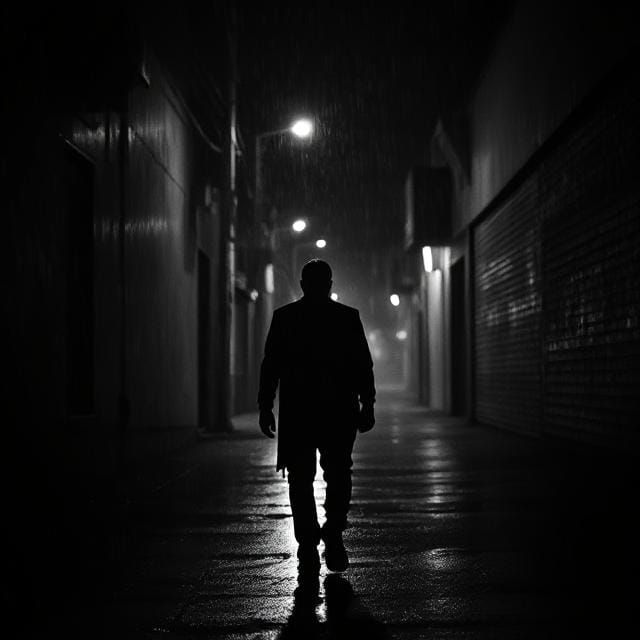
The Grim Sleeper: How Lonnie Franklin Jr. Terrorized Los Angeles for 25 Years
For over two decades, a serial killer stalked the streets of South Los Angeles, targeting vulnerable women in a community already struggling with poverty and violence. The killer would strike, then disappear for years, earning him the moniker “The Grim Sleeper.” This is the complete story of Lonnie David Franklin Jr., one of California’s most prolific serial killers who evaded capture for 25 years.
Table of Contents
- Who Was the Grim Sleeper?
- Timeline of Terror: 1985-2007
- The Victims: Remembering the Lost
- The Investigation: Decades of Dead Ends
- DNA Breakthrough: Familial Searching
- Arrest and Trial
- Community Impact and Criticism
- Legacy and Lessons Learned
- Frequently Asked Questions
Who Was the Grim Sleeper?
Lonnie David Franklin Jr. lived a double life that fooled everyone around him. To his neighbors in South Los Angeles, he was a friendly mechanic and former city sanitation worker who often helped fix cars and collected junk in his backyard. Behind this facade lurked one of Los Angeles’ most prolific serial killers.
Born on August 30, 1952, Franklin grew up in South Los Angeles and served briefly in the U.S. Army in the mid-1970s. He worked as a garage attendant for the Los Angeles Police Department from 1981 to 1988, then as a sanitation worker for the city until his retirement. This seemingly ordinary life provided the perfect cover for his heinous crimes.
The Grim Sleeper earned his nickname due to a apparent 14-year hiatus in killings between 1988 and 2002, though investigators later discovered he likely never stopped killing during this period.
Timeline of Terror: 1985-2007
The Early Years (1985-1988)
The Grim Sleeper’s known killing spree began in 1985, though authorities suspect earlier victims may exist. His method was consistent: he targeted African American women, many struggling with addiction or working as sex workers, shooting them with a .25 caliber handgun and leaving their bodies in alleyways and dumpsters.
Confirmed early victims include:
- Debra Jackson (29) – August 10, 1985
- Henrietta Wright (35) – August 12, 1986
- Barbara Ware (23) – January 10, 1987
- Bernita Sparks (26) – April 15, 1987
- Mary Lowe (26) – November 1, 1987
- Lachrica Jefferson (22) – January 30, 1988
- Alicia Alexander (18) – September 11, 1988
The “Sleep” Period (1988-2002)
For 14 years, the killings appeared to stop. This dormant period gave the killer his infamous nickname, but investigators now believe Franklin continued killing during this time. The bodies of several women found during these years share similarities with his known victims.
The Awakening (2002-2007)
In 2002, the killer apparently resumed his activities:
- Princess Berthomieux (15) – March 19, 2002
- Valerie McCorvey (35) – July 11, 2003
- Janecia Peters (25) – January 1, 2007
The Victims: Remembering the Lost
The Grim Sleeper’s victims were more than statistics. They were daughters, mothers, sisters, and friends whose lives were cut tragically short. Most were African American women between 14 and 36 years old, many struggling with poverty and addiction in South Los Angeles.
The Survivor Who Helped Crack the Case
In November 1988, Enietra Washington survived an attack by the Grim Sleeper. Shot in the chest and sexually assaulted, she managed to escape when Franklin momentarily looked away. Her detailed description and the DNA evidence she provided would prove crucial decades later.
“He seemed like a normal guy at first,” Washington later testified. “Then everything changed.”
Additional Suspected Victims
During Franklin’s trial, prosecutors presented evidence linking him to at least 25 murders, though he was only charged with 10. Photos of over 180 women were found in his home, leading investigators to fear the true victim count may be much higher.
The Investigation: Decades of Dead Ends
The investigation into the Grim Sleeper murders represents both the failures and eventual triumph of modern police work. For years, the cases remained cold, hampered by several factors:
Initial Challenges
- Lack of media attention: The victims’ demographics meant the cases received minimal press coverage
- Limited resources: The LAPD’s 77th Street Division was overwhelmed with other violent crimes
- Community mistrust: Many residents were reluctant to cooperate with police
- Technology limitations: DNA profiling was in its infancy during the early murders
The 800 Task Force
In 2007, after DNA evidence linked the old murders to new ones, the LAPD formed the 800 Task Force (named after the department’s code for homicide). The task force:
- Re-examined all evidence with modern techniques
- Conducted hundreds of interviews
- Offered a $500,000 reward for information
- Created a comprehensive DNA profile of the killer
Despite these efforts, traditional investigative methods failed to identify the killer.
DNA Breakthrough: Familial Searching
The breakthrough came through controversial new technology: familial DNA searching. This technique looks for partial DNA matches that might indicate a relative of the perpetrator.
The Pizza Crust That Solved the Case
In 2010, California became the first state to authorize familial DNA searching. The Grim Sleeper’s DNA was run through the state database, producing a partial match to Christopher Franklin, who had been convicted of a felony weapons charge.
Investigators discovered Christopher had a father living in South Los Angeles: Lonnie Franklin Jr. To confirm their suspicions, an undercover officer posed as a busboy at a restaurant where Franklin was celebrating his birthday. They collected his discarded pizza crust and utensils.
The DNA was a perfect match.
Arrest and Trial
The Arrest
On July 7, 2010, LAPD officers arrested Lonnie Franklin Jr. at his home on 81st Street. The arrest shocked his neighbors, who knew him as a friendly grandfather who worked on cars.
Inside his home, investigators found:
- Over 1,000 photos and videos of women
- A .25 caliber handgun linked to the murders
- Ammunition and other weapons
- Various items belonging to victims
The Trial
Franklin’s trial began in February 2016, nearly six years after his arrest. The prosecution presented overwhelming evidence:
- DNA matches to multiple victims
- Ballistics evidence linking his gun to the murders
- Survivor testimony from Enietra Washington
- Photos of victims found in his possession
Franklin never testified in his own defense. On May 5, 2016, the jury found him guilty of 10 counts of murder and one count of attempted murder.
Sentencing and Death
On August 10, 2016, Franklin was sentenced to death. He died in his cell at San Quentin State Prison on March 28, 2020, at age 67. The official cause was listed as natural causes, though some suspected COVID-19.
Community Impact and Criticism
The Grim Sleeper case exposed deep issues within Los Angeles and its police department.
The Forgotten Victims
Many in the South Los Angeles community felt the victims were ignored because they were poor, Black women. Margaret Prescod, founder of the Black Coalition Fighting Back Serial Murders, had been raising awareness about the killings since the 1980s.
“For decades, our community knew women were being killed, but nobody seemed to care,” Prescod said. “It took DNA technology to do what basic police work should have accomplished years earlier.”
Police Response Criticism
The LAPD faced severe criticism for:
- Failing to warn the community about an active serial killer
- Not dedicating adequate resources to the investigation
- Dismissing community concerns about missing women
- Taking decades to connect the murders
Reforms and Changes
The case led to several reforms:
- Improved protocols for investigating serial crimes
- Better community engagement in South Los Angeles
- Enhanced use of DNA technology
- Creation of long-term cold case units
Legacy and Lessons Learned
The Grim Sleeper case changed how law enforcement approaches serial killer investigations, particularly when victims come from marginalized communities.
Advances in DNA Technology
Franklin’s capture showcased the power of familial DNA searching, though the technique remains controversial due to privacy concerns. Since 2010, familial searching has helped solve numerous cold cases across the country.
Victim Advocacy
The case sparked increased advocacy for victims from marginalized communities. Organizations now work to ensure all victims receive equal attention regardless of their background.
Ongoing Investigations
Investigators continue examining cold cases that might be linked to Franklin. The photos found in his home suggest many more victims may never be identified.
Frequently Asked Questions
Q: Why was he called the Grim Sleeper?
A: The nickname came from an apparent 14-year gap in his killings between 1988 and 2002, though investigators now believe he never actually stopped killing.
Q: How many people did the Grim Sleeper kill?
A: Franklin was convicted of 10 murders and one attempted murder, but investigators believe he killed at least 25 women. The true number may never be known.
Q: How was the Grim Sleeper finally caught?
A: He was caught through familial DNA searching, which matched crime scene DNA to his son’s DNA in the state database. Police then collected Franklin’s DNA from a discarded pizza crust.
Q: What happened to the Grim Sleeper?
A: Lonnie Franklin Jr. was sentenced to death in 2016 and died in prison on March 28, 2020, from natural causes.
Q: Are there still unsolved Grim Sleeper cases?
A: Yes, investigators found photos of over 180 women in Franklin’s home and continue working to identify potential victims.
If you have information about any potential Grim Sleeper victims, contact the LAPD at 1-877-LAPD-24-7.
Related Articles:
- Cold Cases Solved by DNA: Modern Forensics Bringing Justice
- The Monster with 21 Faces: Japan’s Unsolved Serial Killer Mystery
Last updated: August 4, 2025